|
Location: 首页 >> NewsInfo >> LatestNews >> Targeted Guidance for Higher Quality, Joined Efforts to Advance Research publish date:2026-03-22
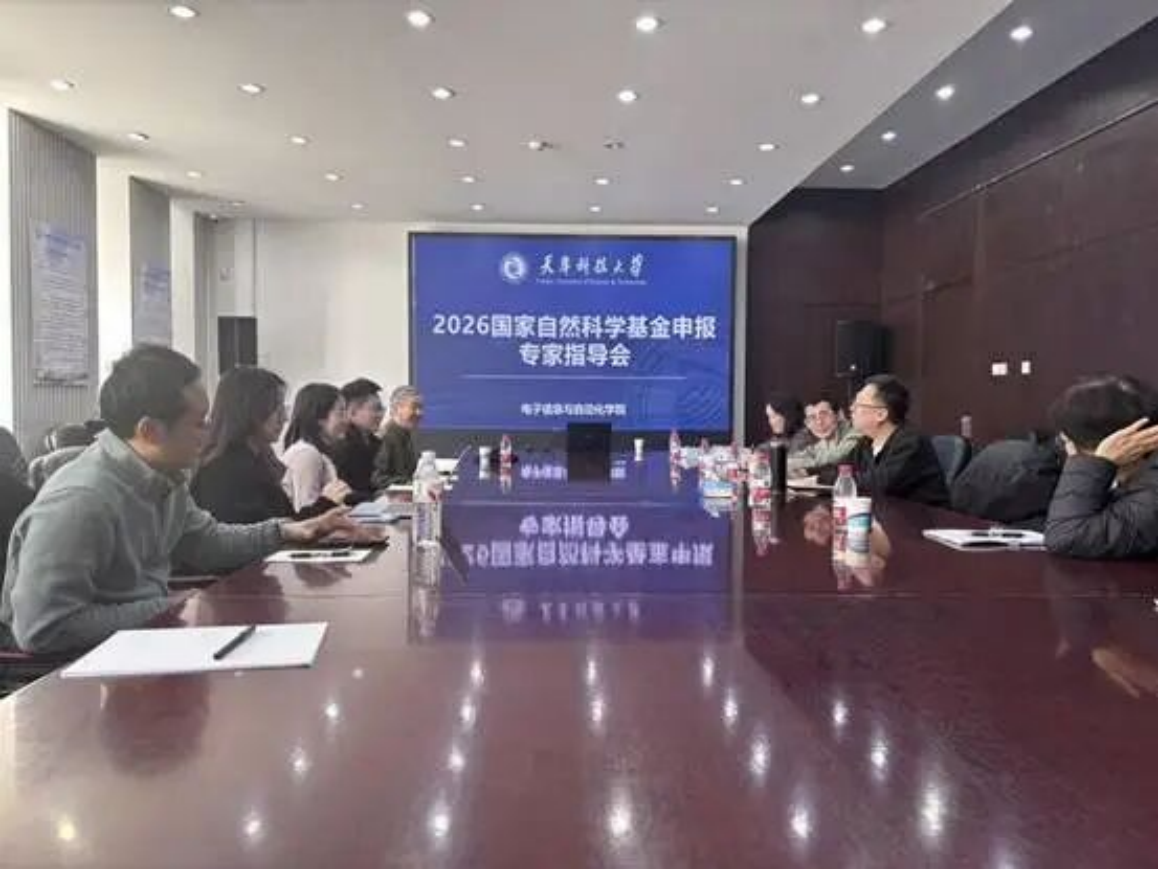
At the beginning of the semester, to steadily advance the application work for the 2026 cycle of the National Natural Science Foundation of China (NSFC), comprehensively improve the quality of proposals and the success rate of funding, and help the College’s research and innovation capability reach a new level, the College of Electronic Information and Automation recently held the expert guidance meeting for 2026 NSFC applications in Conference Room 1 of the Hexi Campus. Professor Wang Chao, a doctoral supervisor from the School of Electrical and Information Engineering of Tianjin University, was invited as the keynote expert. Zhou Weibin, Deputy Secretary of the Party Committee and Dean of the College, attended the meeting, together with the College’s researchers who intend to apply for 2026 NSFC projects.
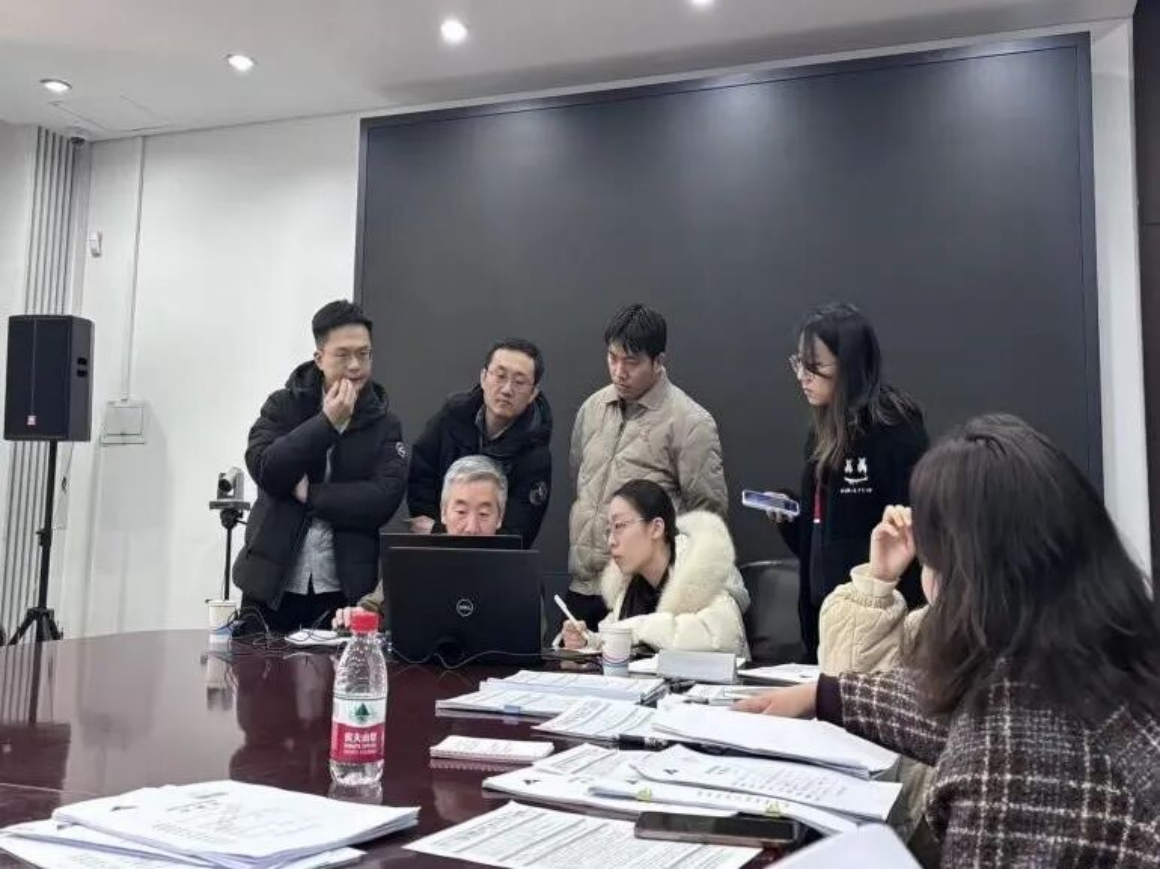
The expert guidance meeting in progress On behalf of the College, Dean Zhou Weibin welcomed and thanked Professor Wang Chao for his visit and guidance. He pointed out that the NSFC is the core channel through which universities carry out basic research, cultivate original achievements, gather research talent and support discipline building, and an important indicator of the College’s research strength and innovation level. He stressed that the 2026 application cycle had entered the critical sprint stage: all faculty members should attach great importance to it, polish their proposals meticulously, and improve their application materials to higher standards and with stricter requirements. The College would continue to build high-level guidance platforms, strengthen whole-process service and support, and give full backing to faculty members competing for national-level projects, promoting the high-quality development of the College’s research work.
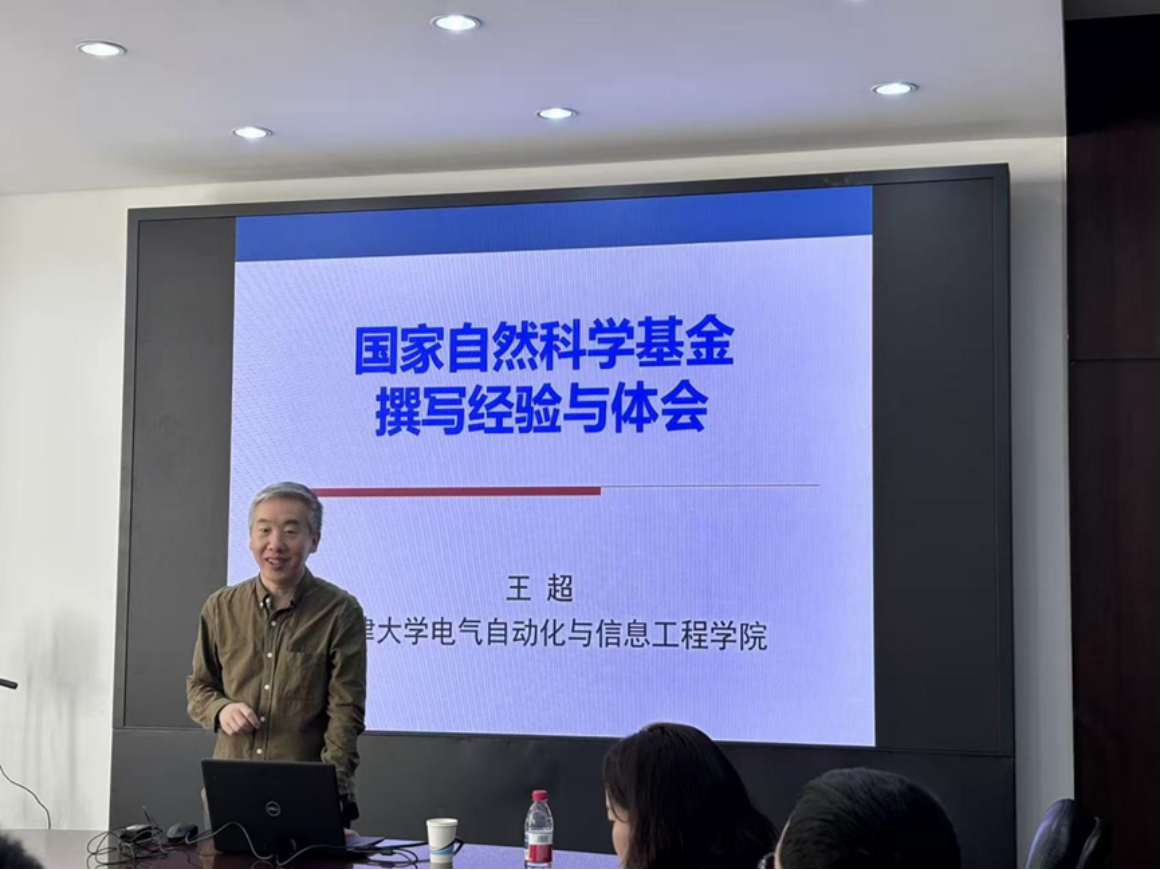
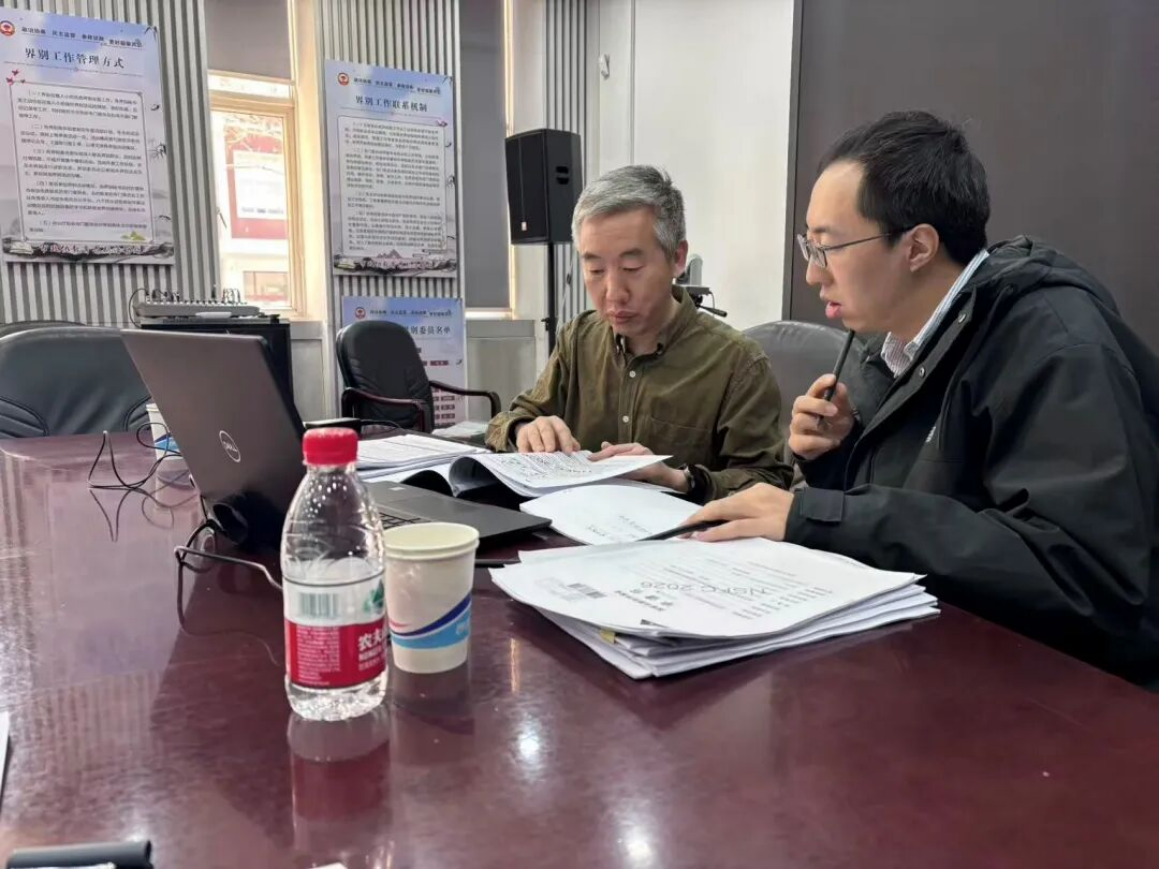
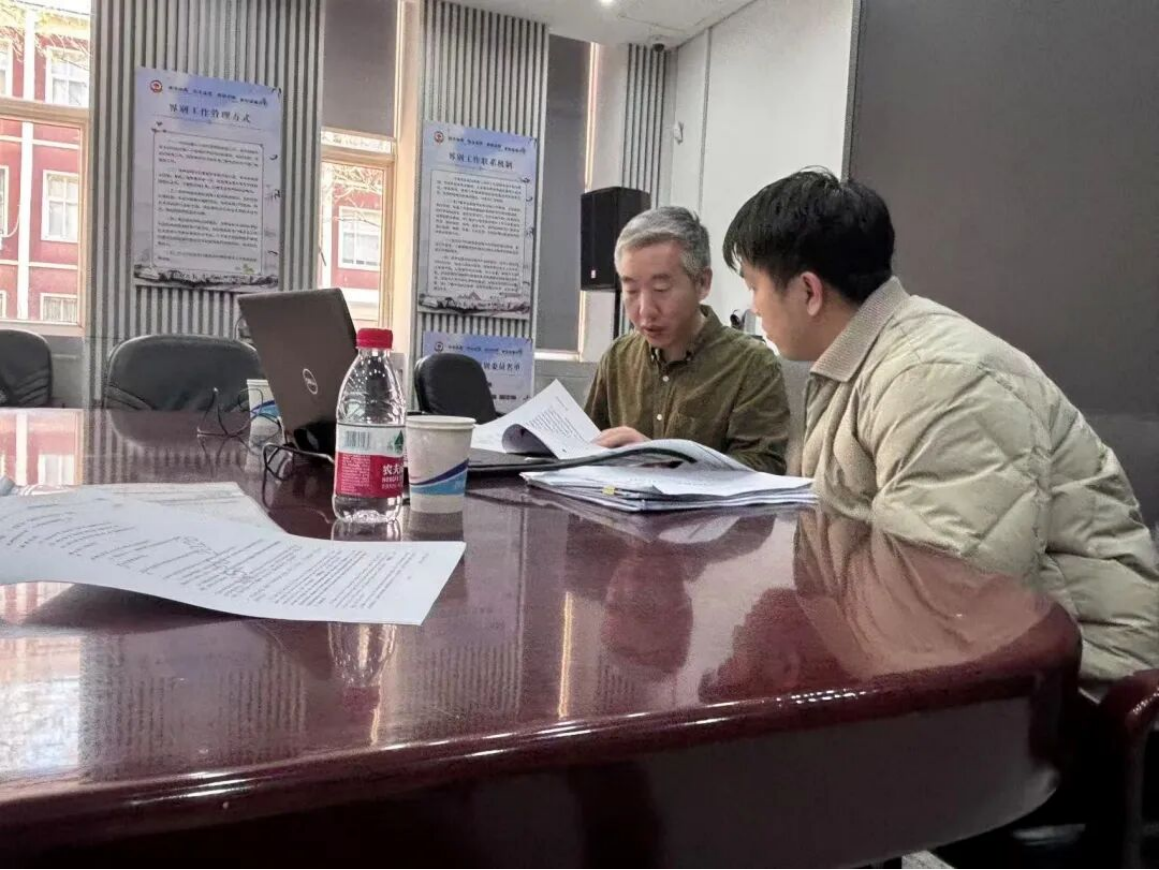
Under the title “Experience and Reflections on Writing NSFC Proposals”, Professor Wang Chao drew on his rich experience of many years in proposal preparation, peer review and project management to deliver systematic and highly practical professional guidance to the faculty present. He gave an in-depth explanation of the NSFC’s funding orientation, changes in application policies, topic selection and positioning, the refinement of scientific questions, and the structural logic of proposals, with a focused analysis of the key writing points and common pitfalls of the core sections — the basis for the project, research content, technical route, the distillation of innovation points, and the research foundation and feasibility argumentation. Professor Wang emphasised that a high-quality proposal must adhere firmly to the positioning of basic research, highlight originality and scientific rigour, and build a tight logical loop, with clearly defined problems, clear goals, feasible plans and prominent highlights. Combining typical cases, he carefully analysed what review experts focus on and how scoring works, reminding faculty members to avoid non-standardised wording, insufficiently prominent innovation points and poorly reasoned technical routes, thus helping participants clarify their writing approach and identify directions for improvement. After the keynote lecture, the meeting moved to the one-on-one on-site guidance session. Participating faculty members met face to face with the expert one by one, bringing their proposals with them. Professor Wang Chao reviewed each document and analysed each problem in turn, offering precise revision suggestions on the value of the topic, the logical framework, details of content and wording standards, and patiently answering and giving in-depth guidance on key issues such as optimising the research plan, refining innovation points and improving feasibility. The teachers consulted actively and communicated enthusiastically; the atmosphere was lively and the guidance practical and efficient. The participating faculty members agreed that the expert’s comments were precise and to the point, effectively resolving their confusions and difficulties in proposal writing and providing strong support for further improving their proposals and enhancing the competitiveness of their projects.
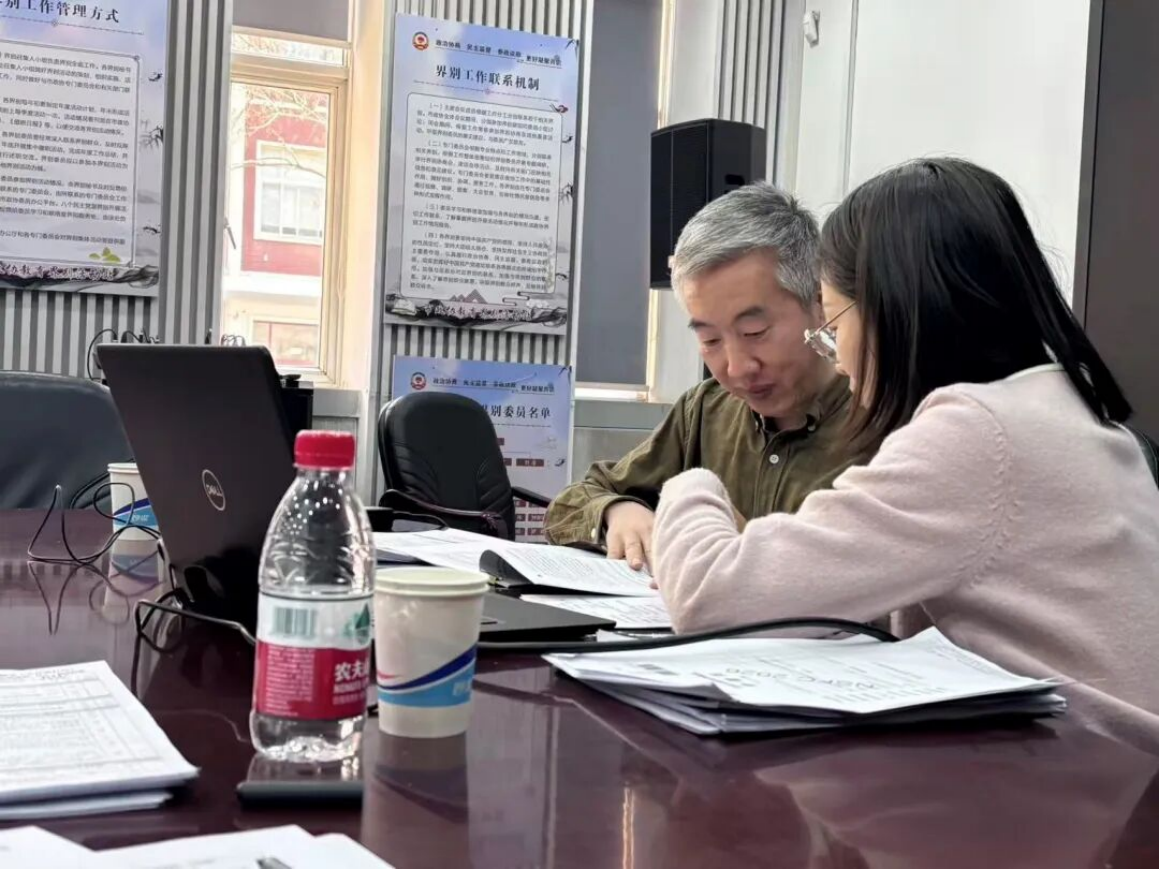
Professor Wang Chao gives one-on-one guidance on a proposal
Faculty members discuss their proposals at the meeting This expert guidance meeting is an important measure in the College’s efforts to advance the 2026 NSFC application work. It not only strengthened the faculty’s understanding of NSFC application policies and writing standards, but also effectively improved the quality of proposals through precise diagnosis and targeted measures. The College will strive to achieve new breakthroughs in the 2026 NSFC applications, injecting stronger momentum into discipline building, talent cultivation and research innovation. |