|
Location: 首页 >> NewsInfo >> LatestNews >> Deepening College–Enterprise Cooperation, Writing a New Chapter in Industry–Education Integration publish date:2026-04-26
To deepen the integration of industry and education and push college–enterprise cooperation further and into practical effect, on 22 April Chan Jing, Secretary of the Party Committee of the College of Electronic Information and Automation of Tianjin University of Science and Technology, led a delegation to visit the North China Company of Sinopec Sales Co., Ltd. The two sides held in-depth exchanges on scientific research cooperation, technical breakthroughs, talent cultivation and other topics. At the symposium, Song Lijun, Deputy Chief Engineer of the North China Company of Sinopec Sales Co., Ltd., extended a warm welcome to the delegation and gave a detailed introduction to the company’s development history, business segments and current technical needs, expressing the company’s willingness to carry out in-depth industry–academia–research cooperation with universities. Song Lijun put forward four specific suggestions on the direction of follow-up cooperation: first, jointly advancing the establishment of high-level research projects and technology development; second, collaboratively applying for science and technology awards; third, jointly building an industry–academia–research platform and jointly cultivating postgraduate talents; and fourth, exploring project-based research on new technologies and interdisciplinary topics.
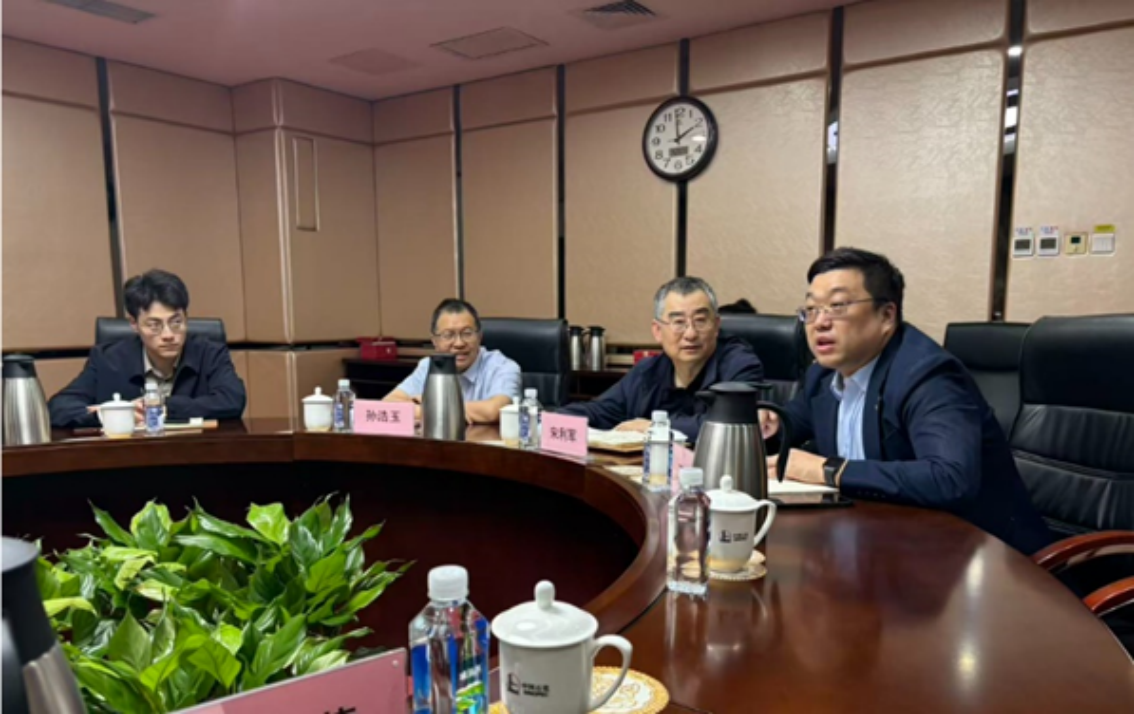
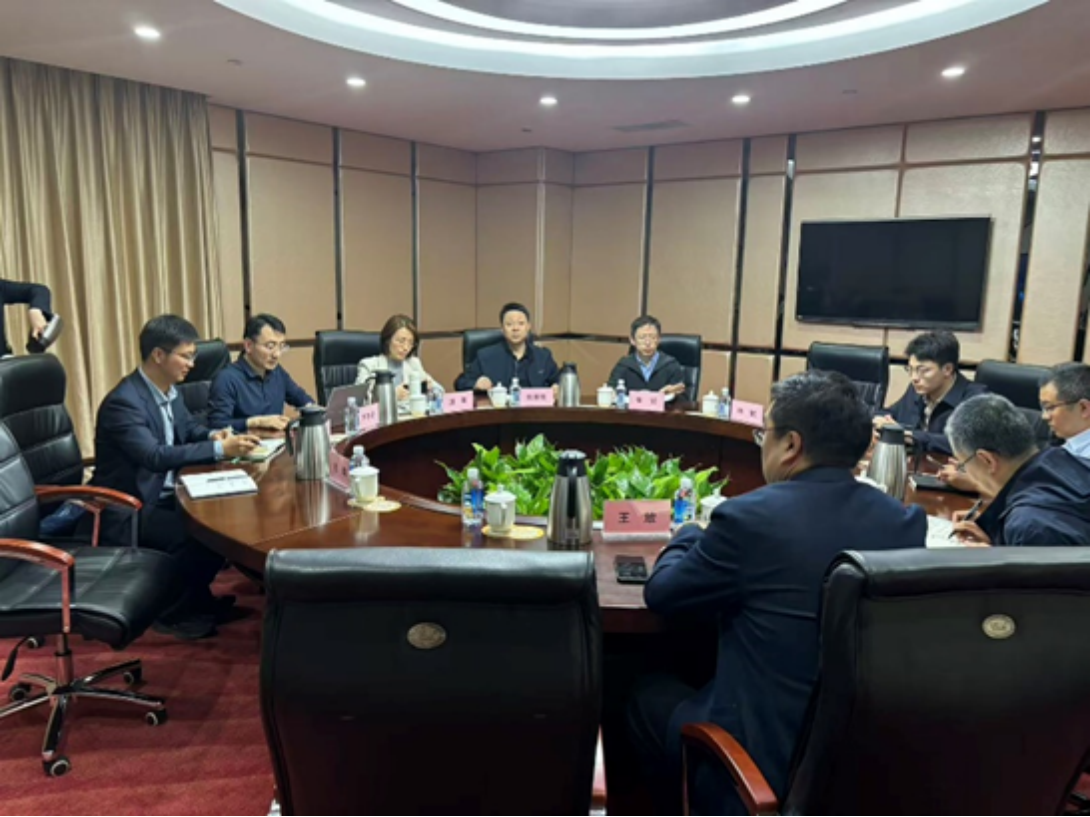
▲ The symposium between the College delegation and the company Chan Jing, Secretary of the Party Committee, gave a comprehensive introduction to the College, covering its history, discipline development, development positioning and its achievements in recent years in talent cultivation and social services.
▲ Exchanges at the symposium Vice Dean Li Jixiang highlighted the College’s fruitful research achievements in recent years, including the undertaking of high-level research projects, the progress in building research platforms, and the research directions and distinctive strengths of its research teams. Vice Dean Zhang Weijia gave a detailed introduction to the College’s programme offerings, faculty team building and teaching achievements, showcasing the College’s explorations and practices in education and teaching reform and in innovation of the talent cultivation model. In the exchange session, participating teachers presented the research progress and application prospects of their respective fields, covering photovoltaic technology, nanomaterials, aerosol materials, offshore platform robots, and rust-removal and painting robots. The two sides fully matched technical needs with potential entry points for research cooperation in the above fields, and the on-site atmosphere was lively. Subsequently, the two sides conducted in-depth communication and alignment on these cooperation directions and reached a number of cooperation intentions. Both sides agreed that, taking this visit as an opportunity, they will establish a regular communication mechanism, give full play to their respective strengths, carry out practical cooperation in joint research projects and the collaborative transformation of scientific and technological achievements, and jointly promote the deep integration of industry, academia and research. This visit and exchange is an important measure for the College to thoroughly implement the university’s “Pioneer Programme” and the “3510” strategic project, carry out the “visiting enterprises to expand posts and promote employment” initiative, and deepen college–enterprise cooperation. It has laid a solid foundation for the two sides’ subsequent in-depth cooperation in research innovation, talent cultivation and achievement transformation. Next, the College will closely follow the goals and requirements of the university’s “Pioneer Programme” for high-quality connotative development, continue to promote precise college–enterprise alignment, keep expanding the breadth and depth of cooperation, and contribute to serving regional economic and social development and industrial technological progress, and to helping the university build a high-level research university in an all-round way. |